


 Yoga Retreats
 Teacher Trainings
 Studios
 Retreat Centers
 Detox
 Healing
 NGOs
 Ceremonies
 Blog

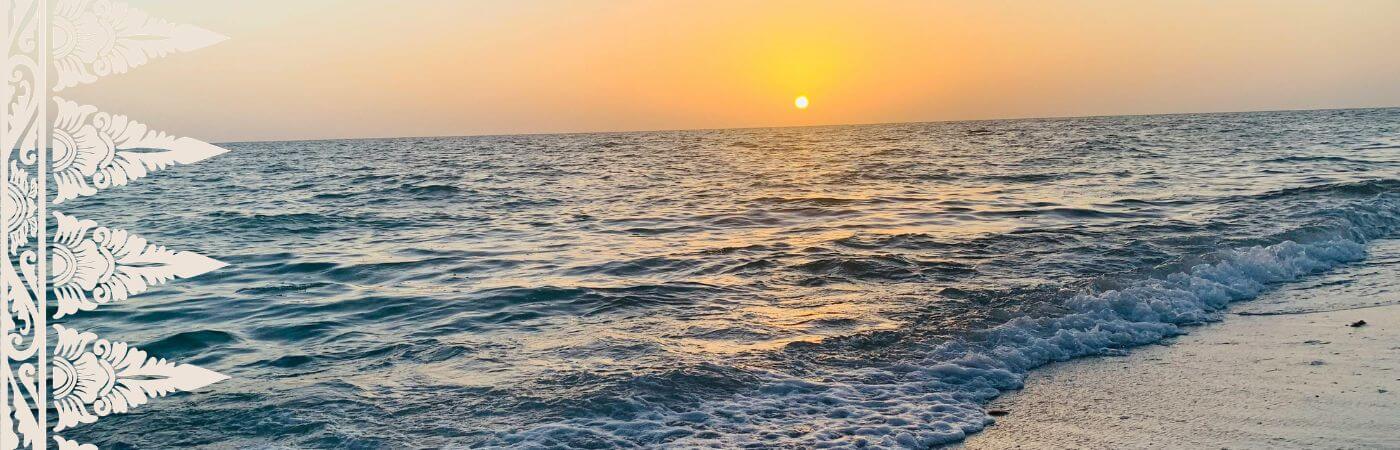
Just north of the airport, we have Kuta, the classic Bali beach spot. Today, its shores are lined with hotels and malls, making it a popular sunset destination. Surfers can still be found here, and it is a good place to take surfing lessons. The newly renovated path along the beach also makes it perfect for a jog, especially around sunset. I would, however, not recommend this beach for sunbathing.
Seminyak, Kuta’s neighbour, still remains one of the best spots for sunsets and cafés. I still enjoy having a coconut overlooking the waves here, particularly at Batu Belig Beach, one of the many beaches along this stretch of coast. Staying at a hotel in Seminyak is also a good idea, as this part of the island has a lot to offer.
Moving up from Seminyak and Batu Belig, we enter the Canggu hotspots. Unlike its southern neighbours, Canggu’s coast features shiny black volcanic sand. People also surf here, although its waves are known to be more brutal than those in Kuta. There are many beaches in the Canggu area, such as Berawa, Nelayan, Echo and Batu Bolong, each with its own cafés and subculture. Berawa is the OG Canggu destination, with well-established beach clubs and restaurants dotting the meandering roads. Nelayan is slower-paced, with comfy cafés and a calmer atmosphere. Echo and Batu Bolong, on the other hand, are famed for their sunsets, with plenty of eateries selling cold beers and coconuts.
Pererenan is Canggu’s younger sister, a rebel compared with mainstream Batu Bolong. She is hip and clearly wants to stand out. Visit Pererenan for boutique hotels, fashion stores and trendy restaurants. Her beach, however, is not the best.
Further north of Pererenan are increasingly developed villages filled with tourism and expat infrastructure. Their beaches, however, are generally not worth a special visit. The western coast of the island is not where Bali’s best beaches are found.
On the other side of the island, we have Sanur. Sanur is a popular family beach, with many people also choosing to retire here. Unlike many other beaches in Bali, Sanur’s water is calm, with waves breaking farther out on the horizon. This makes it perfect for swimming or simply chilling by the beach. Walking along its five-kilometre beachfront path, you will pass cafés, resorts and a mall. Compared with many of Bali’s other major beach destinations, Sanur also retains a much more local atmosphere.
For the road less travelled, take a two-hour drive from Sanur to Virgin Beach. Now, this is a good and quiet beach, at least for now. It might take a while to get there, but its white sand and beautiful waves make it an excellent spot to sunbathe and unwind.
In the south of the island, you will find many hidden and not-so-hidden beaches. Unlike much of the rest of Bali, the southern Bukit region is characterised by tall limestone cliffs. This makes for dramatic and breathtaking beaches. Melasti, Pandawa and Green Bowl beaches are among the most famous. They are popular tourist spots, but are still comfortable for a day out. Uluwatu is famous for surfing; however, its waves are not safe for beginners and are better suited to experienced surfers.
Around the Uluwatu area, you will also find many hidden beaches. There is a catch, though: you will have to climb up and down plenty of steps to reach them at the bottom of the cliffs. In order to keep these beaches protected from mass tourism, I will not be mentioning their names here. Feel free to explore the area yourself, or do some digging on social media.
Lastly, we have Nusa Dua Beach. Its coastline is clean, with calm bays and gentler waves. Much of it sits within the larger Nusa Dua resort compound, giving the area a safer and more exclusive atmosphere. My personal favourite is just next to the Nusa Dua compound, near the Mulia Hotel: Geger Beach. It is a win for waves, sand and sun.
Have fun exploring the coasts of Bali, and I truly hope your stay on the island gives you plenty of time to enjoy them.


